


Area Rug Care in St. George: Protecting Your Rugs from Desert Dust and Fine Soil
Learn how fine desert sand and airborne grit abrade area rug fibers in Southern Utah homes, along with practical cleaning routines to preserve your rugs.

Living in Southern Utah offers panoramic red rock views, mild winters, and abundant sunshine throughout the year. However, the arid desert environment that makes our landscape so captivating also introduces unique challenges into our homes. When it comes to area rug care in St. George, the most persistent threat to your textiles is rarely an accidental spill or a muddy footprint. Instead, it is the constant presence of airborne desert dust and fine red sand that quietly settles into homes day after day.
Area rugs act as natural filters in residential spaces. Their dense fibers capture airborne particulates, preventing dust from swirling across hard floors. While this helps keep indoor air clearer, it also means that your wool, cotton, and silk rugs accumulate substantial amounts of fine desert grit deep within their foundations. Understanding how desert soil behaves inside woven textiles and adopting a proactive maintenance routine will help you protect your rugs from premature wear and preserve their beauty for years to come.
Dust in Southern Utah is fundamentally different from the soft, fibrous household dust found in humid regions. Our local soil is largely composed of pulverized sandstone, quartz, silica, and mineral-rich clay. Under magnification, these particles resemble tiny, jagged shards with sharp, angular edges rather than soft lint.
When desert winds carry this fine silt indoors, gravity draws it deep into the pile of your area rugs. Unlike synthetic wall-to-wall carpeting, fine area rugs feature tightly knotted yarns wrapped around foundation threads. As family members and pets walk across the rug, downward foot pressure forces these sharp mineral particles deeper toward the base of the knots.
Each subsequent step creates friction. The jagged quartz and silica particles grind against the natural fibers, gradually scoring and severing the yarn filaments right at the foundation. Over time, this abrasive action causes pile thinning, fiber dulling, and structural weakening that cannot be reversed once fibers are cut. Protecting your rugs is therefore an essential preservation measure against irreversible fiber loss.
Because area rugs hide soil remarkably well, a rug can appear clean on the surface while holding several pounds of compacted desert silt within its weave. Learning to identify the early warning signs of heavy soil buildup allows you to take action before structural damage occurs.
To evaluate soil saturation, lift a corner of your rug and fold it back so the foundation knots open slightly. If you see a pale or reddish line of powdery silt sitting between the rows of knots, soil has penetrated deep into the weave. You can also place your hand beneath a small section and firmly tap the face with your other hand. If a visible puff of dust rises or leaves powder on your palm, the foundation is heavily loaded with grit.
When fine mineral dust coats natural wool fibers, it scatters light rather than reflecting it. Rich indigo, madder red, and warm earth tones begin to look chalky and faded even after vacuuming. Additionally, as fine silt packs tightly into the foundation, the rug loses its supple drape and begins to feel stiff or gritty underfoot.
During routine floor cleaning, roll back your rug and lift the pad. If you find a fine outline of red sand or gray powder on the hard floor mirroring the rug's perimeter, soil is filtering straight through the foundation. This indicates that the rug can no longer hold additional soil and requires a thorough wash.
Maintaining area rugs in an arid climate requires an intentional approach that balances thorough soil removal with gentle fiber handling. Implementing a consistent, tailored cleaning routine prevents abrasive sand from settling permanently into your rug's foundation.
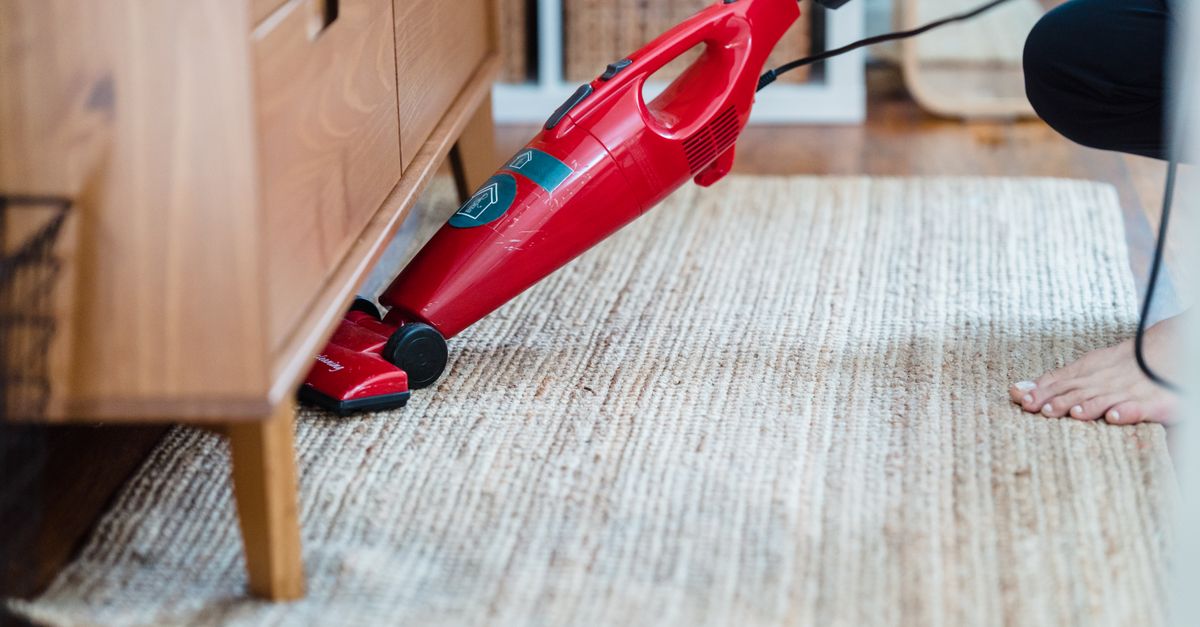
Vacuuming is your primary line of defense, but standard carpet vacuuming techniques can inadvertently damage delicate hand-knotted or woven rugs. To achieve effective area rug care in St. George without harming fragile fibers, follow these core principles:
The most effective way to minimize grit abrasion is to stop desert soil before it reaches your living room. Southern Utah homes frequently feature sliding glass doors leading to patios, open desert landscaping, and red rock trails just beyond the backyard. Establishing sensible barriers significantly reduces the volume of grit entering your home.
Place durable scraper mats outside every exterior doorway to capture coarse sand from shoe treads, and position washable runners directly inside to catch finer silt. Encouraging family members and guests to remove outdoor shoes at the entry preserves rug fibers immensely.
Pets are another primary source of red sand. Dogs returning from trail walks or backyard play naturally collect fine dust in their fur and paw pads. Keeping a clean towel near entry doors to wipe paws before pets settle onto area rugs makes a noticeable difference in long-term soil accumulation.
Finally, always use a quality, breathable rug pad beneath every area rug. A dense felt or dual-surface rubber-and-felt pad prevents slipping, absorbs impact shock from foot traffic, and creates a critical buffer that stops sharp sand particles from grinding against your hard flooring.
When homeowners realize their rugs are full of dust, good intentions can sometimes lead to methods that accidentally compromise delicate textiles. Avoiding these common pitfalls will prevent costly structural damage:
Even with diligent weekly vacuuming and entryway mats, the fine particulate nature of Southern Utah sand means that some grit inevitably works its way into the deepest recesses of the rug's pile. Over 12 to 18 months of regular household life, this buildup reaches a point where home equipment can no longer extract it safely.
Professional rug care differs dramatically from standard carpet cleaning. In a dedicated rug care facility, cleaning begins with thorough dry soil removal—often referred to as dusting—before any moisture touches the fibers. Specialized equipment utilizes harmonic vibration, gentle air currents, and mechanical grids to dislodge and remove embedded sand without harming fragile knots. Once the dry abrasive grit is completely evacuated, the rug undergoes customized submersion washing, gentle pH-balanced rinsing, and controlled drying tailored to its fiber construction.
Area rugs bring warmth, texture, and character to homes throughout St. George, anchoring living spaces against the expansive beauty of the desert. Caring for them does not require complicated chemistry or exhausting daily chores. By establishing a thoughtful vacuuming routine, utilizing quality rug pads, and intercepting outdoor soil at your entryways, you can keep your rugs looking vibrant and feeling comfortable underfoot.
With a few mindful adjustments to your cleaning habits, area rug care in St. George becomes a manageable part of maintaining your home. When your rugs begin to feel stiff, display dulled colors, or release clouds of fine dust despite regular care, scheduling a professional evaluation is the safest step. At St George Rug Cleaning, we treat every rug with specialized care, safely extracting deep desert soil and restoring the natural resilience of your treasured textiles.