


How Fine Desert Dust and Red Rock Soil Damage Area Rugs in St. George Homes
Learn how Southern Utah's abrasive desert dust and iron-rich red soil affect area rugs, and discover practical maintenance steps to protect your rug fibers.

Southern Utah is renowned for its dramatic red rock panoramas, expansive blue skies, and sun-drenched landscapes. While living in St. George offers incredible natural beauty, the local environment presents unique challenges for interior furnishings—especially fine area rugs. The very elements that define our outdoor scenery—powdery sandstone dust, iron-rich red clay soil, and relentless mineral silt—inevitably find their way into our living spaces. Carried inside on shoes, tracked across thresholds by pets, or swept through open doors by afternoon canyon breezes, fine desert sediment settles quietly into rug fibers every single day. Over time, this microscopic grit causes far more damage than simple surface discoloration. Implementing sensible, consistent desert dust rug care St George homeowners can easily maintain is the most effective way to safeguard your investment and preserve the warmth, comfort, and beauty of your rugs for decades to come.
To understand why desert dirt is uniquely damaging to textiles, it helps to examine its physical structure. Unlike the soft, organic, peat-heavy soils found in more humid regions, the dirt in Southern Utah is largely made up of pulverized quartz, silica, and mineral-dense sandstone. Under a microscope, these tiny particles do not look like smooth spheres; they look like jagged pieces of broken glass with sharp, razor-like edges.
When dry dust is tracked into your home, it does not remain on the tips of the rug pile for long. Gravitational pull, combined with everyday foot traffic, forces the fine particulate downward past the fiber surface. Eventually, these abrasive particles settle deep at the base of the rug's foundation, lodging tightly between the woven warp and weft yarns. Every time a family member or guest steps onto the rug, the pile flexes against this embedded grit. The sharp quartz edges act like microscopic blades, sawing through natural wool, silk, or cotton yarns from the inside out. This friction leads to premature shedding, broken pile fibers, thinning high-traffic pathways, and permanent structural degradation that regular surface cleaning cannot reverse.
Beyond mechanical abrasion, Southern Utah soil presents a distinct chemical challenge: its vivid red hue. This iconic color comes from heavy concentrations of oxidized iron minerals and dense clay silt. When red dust remains completely dry, it can often be loosened and extracted relatively safely. However, the moment moisture is introduced, the nature of the soil changes dramatically.
Moisture can come from high indoor humidity during late summer monsoon storms, damp pet paws coming inside after rain, accidental drink spills, or well-intentioned DIY cleaning attempts with wet towels. When liquid mixes with fine red clay trapped in a rug, the iron oxides dissolve and penetrate porous natural fibers like wool and silk. Wool fibers possess microscopic scales that swell when wet, drawing in dissolved mineral pigments and bonding with them. Once red dirt chemically sets within the protein structure of wool or silk, lifting the resulting rust-colored discoloration without altering the rug’s original vegetable or synthetic dyes becomes exceptionally difficult.
Because fine desert silt works its way down into the rug foundation where it remains hidden from view, many homeowners do not realize how much soil is actually inside their rugs. Here are several reliable signs that your rug requires attention:
Protecting your floor coverings from Southern Utah's arid climate does not require complicated routines, but it does demand consistency. Developing proactive home habits will dramatically slow down the rate of soil accumulation.
The simplest way to protect indoor area rugs is to capture abrasive sand before it reaches your living areas. Place durable, coarse scraper mats outside every exterior entrance to remove heavy sand and gravel from footwear. Just inside the doorway, install a washable runner or transitional mat to absorb fine dust from shoe soles. Adopting a strict "shoes-off" policy inside the home eliminates the vast majority of tracked-in red rock silt.
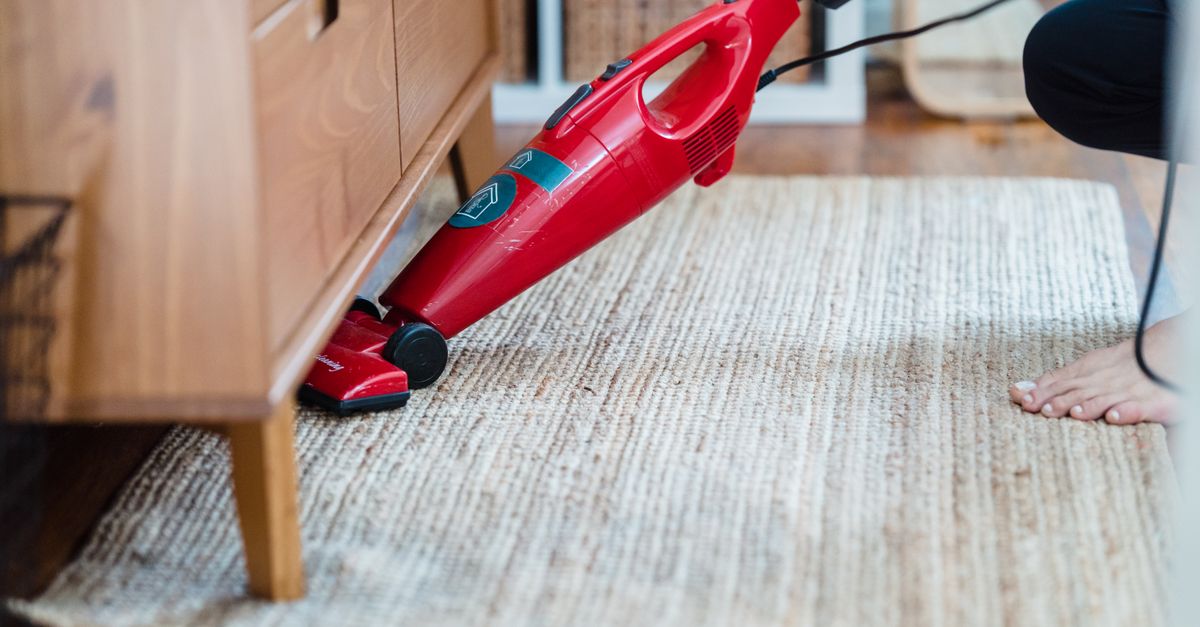
Vacuuming is your primary line of defense, but improper technique can cause more harm than good:
During dry, windy afternoons in St. George, fine dust easily bypasses window seals and patio door tracks. Keep windows closed when desert winds pick up, and inspect your home's HVAC filters monthly. Upgrading to high-efficiency air filters ensures that airborne dust is captured before it settles across your rugs and upholstery.
A dense, breathable rug pad provides essential cushioning that reduces foot pressure against embedded grit. Furthermore, a proper pad keeps the rug elevated slightly above the hard floor, preventing trapped grit from grinding against your expensive hardwood or tile flooring underneath.
When dealing with stubborn red soil or tracked-in dirt, well-meaning homeowners often turn to aggressive DIY cleaning methods that unintentionally ruin valuable rugs:
While regular vacuuming removes surface dust, it is physically impossible for residential equipment to extract the deep-seated sand compacted at the base of a dense rug. That is why periodic professional care is vital. Specialized rug cleaning facilities use harmonic vibration dusting tables and high-volume compressed air systems to gently dislodge pounds of dry desert silt before water is ever applied. Following dusting, immersion washing in temperature-controlled, pH-balanced baths dissolves mineral residues and flushes them away completely without damaging delicate dyes or natural fibers.
Caring for treasured area rugs in our beautiful desert environment comes down to understanding local soil dynamics and taking proactive steps. By establishing smart entry routines, vacuuming with care, and partnering with experienced specialists for deep extraction, you can protect your investment against the harshest elements Southern Utah has to offer. Dedicated desert dust rug care St George homeowners trust will keep your rugs vibrant, soft, and durable for generations.