Protecting Area Rugs from Desert Dust in St. George Homes
Living in St. George offers breathtaking red rock vistas, warm sunshine, and an active outdoor lifestyle. Whether you spend your weekends hiking through Snow Canyon, tending a desert garden, or simply enjoying the panoramic views of Southern Utah, you likely appreciate the unique beauty of the region. However, our desert environment also presents specific challenges for indoor living spaces—especially when it comes to preserving fine textiles. For homeowners throughout Washington County, protecting area rugs from desert dust is an ongoing priority that requires a thoughtful, tailored approach.
Unlike standard indoor household dust, which consists largely of soft textile lint and dead skin cells, Southern Utah dust is an entirely different matter. It is dominated by fine red sand, pulverized sandstone, and mineral-heavy soil blown across the desert plateau. When this fine grit settles into your favorite wool, silk, or woven rugs, it creates hidden challenges that standard household cleaning methods cannot always solve. Understanding how desert soil behaves inside rug fibers is the first step toward keeping your floor coverings vibrant, resilient, and structurally sound for generations to come.
The Microscopic Threat: How Desert Grit Destroys Rug Fibers
To understand why desert dust requires special attention, it helps to examine Southern Utah soil under magnification. The reddish sand surrounding St. George is composed predominantly of quartz, silica, and mineral crystals. Each tiny granule has sharp, angular edges. While a pinch of red sand feels relatively soft between your fingertips, those microscopic jagged edges behave very differently when trapped beneath foot traffic.
When wind carries fine sand through open windows, patio sliders, or on the soles of shoes, the heavy particles work their way downward past the upper tips of the rug pile. Over weeks and months, gravity and normal walking push these dense particles down into the base of the rug, settling directly into the foundation cords known as the warp and weft. Every time someone walks across the rug, the pile bends against the sharp silica grains nestled at its base. The particles act like microscopic sandpaper, slowly abrading and sawing away at the natural scales of wool or the delicate filaments of silk.
Over time, this mechanical abrasion produces several distinct symptoms that homeowners mistakenly attribute to age or poor quality:
- Premature pile thinning: The fibers do not simply wear down from foot contact; they are sheared off near the base, resulting in unexplained pile loss in walking lanes.
- Dull, cloudy colors: Fine quartz particles create microscopic scratches on the exterior surface of the fibers, scattering light and muting the rug's natural luster and rich dye tones.
- Foundation stiffness: Heavy accumulations of compacted mineral dust absorb ambient humidity during brief seasonal storms, cementing together into a dense layer that makes the rug feel stiff and brittle.
Establishing an Exterior-to-Interior Dust Defense
The most effective strategy for preserving area rugs in a desert climate is preventing fine particulate from reaching your interior living zones in the first place. Because Southern Utah winds can deposit fine grit across porches and patios within hours, establishing layered physical barriers around your home makes a noticeable difference.
1. Implement a Dual-Mat System at Primary Entrances
A single indoor decorative rug at the front door is rarely enough to capture fine desert silt. Instead, use a two-tier defense. Place a coarse, synthetic scraper mat outside every exterior entrance to dislodge heavy red soil and trail gravel from footwear. Immediately inside the threshold, place a dedicated, high-density walk-off mat designed to trap airborne silt and moisture before feet step onto hard surfaces or decorative area rugs.
2. Mind Patio Sliders and Desert Breezes
Spring and autumn in St. George bring pleasant temperatures, prompting many residents to open patio sliding doors and windows to enjoy fresh air. Unfortunately, afternoon gusts frequently carry plumes of pulverized sand directly into living rooms and dining areas. If you enjoy open windows, consider positioning valuable woven or antique rugs away from the direct draft line of exterior doors, or keep sliding screens clean so they do not act as secondary dust dispensers.
3. Create a Consistent Footwear Habit
Encouraging family members and guests to remove outdoor shoes at the door is one of the single most beneficial habits for rug longevity. Trail runners, hiking boots, and golf shoes collect significant amounts of red dirt in their deep treads. Once transferred to an indoor tile or hardwood floor, that dry grit is easily tracked across adjacent area rugs throughout the house.
Smart Habits for Protecting Area Rugs from Desert Dust
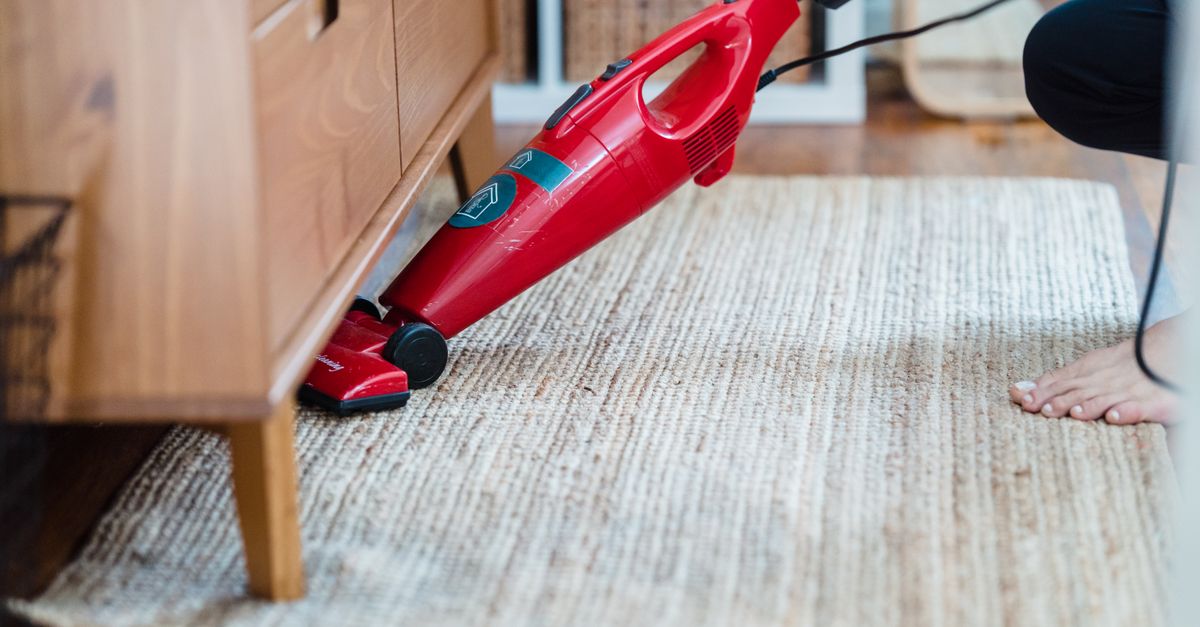
Vacuuming is your primary line of routine defense, but in Southern Utah, how you vacuum is far more important than how quickly you push the machine. Aggressive or improper vacuuming can actually accelerate rug wear while leaving the most harmful grit behind.
Here are essential best practices for vacuuming area rugs in desert homes:
- Disengage the beater bar on delicate rugs: Rotating bristle rollers and beater bars are designed for synthetic wall-to-wall carpeting, not delicate area rugs. The high-speed rotating bristles can snag fragile wool loops, pull fringes, and abrade fine pile. For hand-knotted, antique, or flat-weave rugs, switch your vacuum to suction-only mode or use a smooth floor wand attachment.
- Slow your pace: Fine mineral sand is heavy and dense. Rushing a vacuum across a rug surface only lifts lightweight surface dust, leaving the heavy sand settled deep at the base. Slow, deliberate passes give the airflow adequate time to draw heavy particles up through the pile.
- Vacuum in the direction of the pile: Area rugs have a natural direction or nap. If you rub your hand across the surface, it will feel smooth in one direction and slightly resistant in the other. Vacuuming with the nap protects the fibers from being stressed or bent against their natural orientation.
- Care for the reverse side: For sturdy hand-knotted wool rugs situated on smooth hard flooring, periodically turn the rug face down and vacuum the back side using suction. The vibration of the vacuum helps loosen stubborn mineral dust trapped within the foundation, causing it to fall out onto the hard floor below. Afterwards, peel back the rug, sweep up the fallen sand, and vacuum the face side once more.
- Avoid the fringe: Never run a motorized vacuum head over cotton or wool fringe. The tassels can tangle instantly in the roller mechanism, tearing the warp yarns that hold the entire rug together.
Common Mistakes Southern Utah Homeowners Make with Dusty Rugs
When homeowners notice that their area rugs look dingy or feel gritty underfoot, their instinct is often to tackle the problem with aggressive home remedies. Unfortunately, several well-intentioned cleaning habits can cause permanent damage to valuable textiles.
Using Rented Carpet Shampooers on Fine Rugs
Perhaps the most frequent mistake is attempting to clean an area rug with a portable steam cleaner or grocery-store rental machine. These machines spray soapy hot water into the rug and attempt to extract it with modest suction. When you add water to a rug filled with fine Southern Utah red sand, you do not remove the soil—you turn dry dust into liquid mud. This slurry sinks deep into the foundation cords and dries into a concrete-like crust. Furthermore, excessive moisture can trigger catastrophic dye bleeding in wool and silk rugs, cause foundation shrinkage, and promote mildew growth inside dense backing yarns.
Vigorously Beating Rugs Over Deck Railings
Hanging a large area rug over a porch railing and pounding it with a broom or paddle may seem like a time-tested tradition, but it poses substantial risks to hand-woven rugs. The concentrated impact can snap brittle cotton warp threads, crack dry-rotted foundation fibers, and distort the rug's structural shape, especially in our dry desert climate where natural fibers lose elasticity.
Sprinkling Powders and Deodorizers
Baking soda and commercial carpet powders are often recommended online for refreshing rugs. In reality, these microscopic powders settle into the base of the pile alongside desert silt. Because household vacuums lack the airflow to extract fine powders from dense wool foundations, the particles remain trapped, attracting ambient moisture and dulling the fiber surface.
When Deep Dust Requires Professional Facility Washing
While consistent vacuuming and entry barriers manage surface dust, they cannot remove 100% of the dense grit that inevitably migrates to a rug's foundation. Over two to three years of desert living, a medium-sized wool area rug can accumulate several pounds of dry mineral sand hidden deep within its weave—even in homes where footwear is removed religiously.
When dust accumulation reaches this stage, your rug requires specialized in-plant cleaning rather than an in-home surface treatment. Dedicated rug washing facilities utilize specialized dry-soil removal techniques before any moisture touches the textile. Using controlled harmonic vibration, high-volume air dusting, or specialized tumblers, professionals gently dislodge pounds of compacted sand from the foundation while the fibers remain completely dry. Only after all dry particulate has been thoroughly evacuated is the rug immersed in a gentle, pH-balanced wash bath tailored to its specific fiber type and dye stability.
Consider scheduling a professional evaluation if:
- Gently slapping the corner of your rug releases a visible puff of sand or dust.
- The rug feels noticeably stiff, heavy, or gritty when bent back by hand.
- Colors appear muted or grayed despite thorough vacuuming.
- The rug has not received a thorough wash in over 18 to 24 months.
Keeping Your Rugs Resilient Across Southern Utah Seasons
Embracing life in St. George means living alongside the natural beauty of the desert—red sandstone, open vistas, and warm sunshine included. Caring for your favorite textiles does not require keeping your home sealed shut or avoiding fine rugs altogether. By establishing effective dust barriers at your doorways, practicing patient suction-only vacuuming, and steering clear of harsh moisture-based DIY machines, you can successfully shield your investments from abrasive grit.
When routine home maintenance is no longer enough to extract deep-seated sand, partnering with an experienced local specialist ensures your rugs receive the gentle, fiber-safe care they deserve. Taking deliberate steps toward protecting area rugs from desert dust keeps your Southern Utah home comfortable, colorful, and inviting for years to come.