How to Manage Fine Desert Dust in Area Rugs in St. George Homes
Living in Southern Utah offers breathtaking red rock landscapes, year-round outdoor recreation, and abundant sunshine. However, the same arid environment that makes our region so distinctive also brings a constant household challenge: fine red sand, airborne mineral dust, and dry grit. Whether blown in through open patio doors during breezy afternoons or tracked inside on shoes and paws, managing desert dust in area rugs in St. George is an ongoing necessity for local homeowners.
Unlike ordinary household lint or soft dust bunnies, Southern Utah desert soil has unique physical properties that make it particularly hazardous to area rugs. Left unmanaged, fine sand settles into the deepest layers of the weave, causing hidden structural wear long before dirt becomes visible on the surface. Understanding how desert dust interacts with rug fibers—and implementing the right preventative care—will help keep your wool, synthetic, and hand-knotted area rugs vibrant and resilient for years to come.
Why Desert Dust in Area Rugs in St. George Causes Premature Wear
To understand why desert dust is so detrimental to rugs, it helps to examine what Southern Utah soil is composed of. The fine red dirt around St. George, Washington, and Santa Clara is rich in microscopic quartz crystals, pulverized sandstone, and sharp mineral particles. Under a microscope, these particles resemble jagged shards of broken glass rather than soft organic matter.
When wind or foot traffic carries this fine grit into your home, the particles do not simply sit on the surface. Because of gravity and regular movement across the floor, the microscopic sand grains slip down between the upright yarn tufts, migrating all the way to the foundation warps and wefts at the base of the rug.
Every time someone walks across the rug, their body weight presses those sharp mineral grains against the rug's delicate fibers. This creates a continuous abrasive action—essentially functioning like fine-grit sandpaper grinding against the base of the wool, silk, or cotton yarns. Over time, this constant friction leads to:
- Fiber breakage and shedding: The sharp edges saw through yarn filaments, causing the pile to thin prematurely.
- Foundation stiffness and brittleness: Trapped soil packs tightly into the warp and weft yarns, reducing the rug's natural flexibility.
- Color dulling: Even when a rug does not look overtly dirty, a micro-layer of red silt coats the fiber shafts, muting vibrant jewel tones and natural luster.
- Micro-abrasions on hard floor finishes: Grit that filters through the open weave can grind between the rug backing and your hardwood, laminate, or tile flooring.
Signs Your Rug Is Storing Hidden Desert Soil
Area rugs are surprisingly effective filters. In fact, a densely woven wool or Persian rug can hold several pounds of dry grit within its backing before looking visibly soiled on the surface. If you want to assess whether your rugs are holding compacted desert soil, look for these common warning signs:
- The "Pat Test" Result: Lift a corner of the rug, turn it pile-down, and gently slap the back of the rug with your hand. If a cloud of fine red silt or a pile of sand falls onto the floor underneath, deep grit has accumulated in the foundation.
- Dull or Muddy Appearance: Colors that once looked crisp and luminous appear hazy, chalky, or slightly yellow-gray.
- A Gritty Texture Under Bare Feet: Walking barefoot across the rug feels slightly scratchy or sandy rather than soft and plush.
- Puffs of Dust During Vacuuming: If your vacuum exhaust smells noticeably earthy or you see small plumes of dust escaping the pile, the rug's holding capacity is overloaded.
- Stiffness When Folded or Rolled: If the rug feels unusually rigid or heavy when lifted, packed mineral soil is likely reinforcing the backing.
Effective Home Maintenance for Desert Dust Control
While you cannot eliminate desert sand from Southern Utah, you can significantly reduce its impact on your fine textiles with a proactive maintenance routine.
1. Establish a Dual-Mat Defense at Entryways
The majority of desert soil enters homes on footwear. Create a layered defense at exterior doors leading to patios, garages, and entry courtyards:
- Place a coarse, bristled scraper mat outside the door to capture heavy sand and gravel.
- Place a washable runner or absorbent walk-off mat immediately inside the threshold to catch remaining fine silt.
- Implement a shoes-off policy inside the home, especially before stepping onto valuable wool or antique rugs.
2. Vacuum Thoroughly with Proper Technique
Vacuuming is your primary defense against surface sand, but technique matters—especially with delicate or natural-fiber rugs:
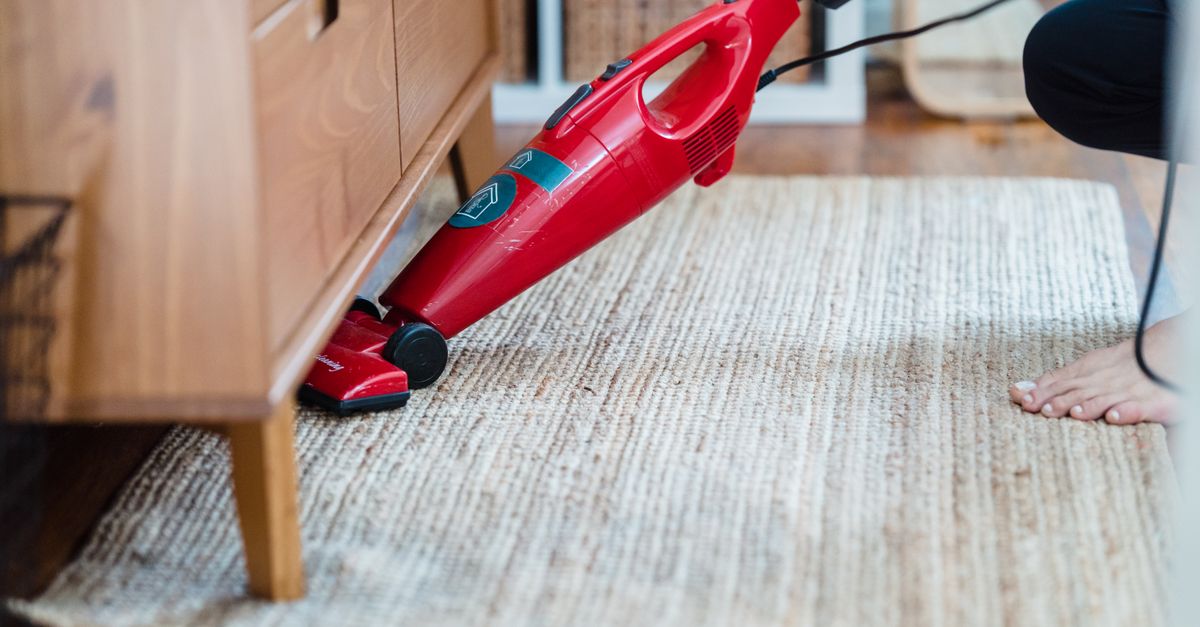
- Adjust the brush roll height: For wool or handmade rugs, disengage the aggressive rotating beater bar or raise it so only the bristles lightly skim the pile. Suction-only vacuuming protects delicate wool tips from fuzzing while lifting loose sand.
- Vacuum in slow, overlapping passes: Rushing across the rug creates airflow turbulence that leaves heavy sand particles behind. Move the wand slowly to give the vacuum suction time to pull particles upward.
- Vacuum the back of the rug periodically: Every few months, flip the rug over on a clean floor and vacuum the backing. The vibration of the vacuum helps loosen deep-seated grit, dropping it onto the floor where it can easily be swept away.
- Avoid the fringe: Never run a rotating vacuum brush over delicate fringe tassels, as the vacuum can snag and unravel the foundation warp threads.
3. Rotate Rugs Twice Annually
Desert winds and family foot traffic tend to deposit grit in predictable pathways, such as the path between the kitchen and patio slider. Rotating your area rugs 180 degrees every six months distributes wear and prevents dust from grinding down one specific section of the rug.
Common Mistakes to Avoid When Cleaning Dusty Rugs
When homeowners realize how much dust is trapped in their rugs, well-intentioned DIY remedies can sometimes cause accidental damage. Here are three common pitfalls to avoid:
- Do not hose down dusty rugs in the driveway: Sousing a dust-filled rug with a garden hose turns dry mineral silt into dense mud that sinks deeper into the cotton foundation. Furthermore, drying thick wet rugs in the hot sun can cause dye bleeding, browning, and warp shrinkage.
- Avoid aggressive hanging and beating: While gentle airing is beneficial, hanging a heavy rug over a fence and beating it aggressively with a stick can stretch and snap fragile foundation yarns, particularly in vintage or antique pieces.
- Do not rely on supermarket spot cleaners for overall soil: Spraying commercial stain removers over a dusty rug creates sticky chemical residue that attracts and binds even more desert dust to the fibers.
When to Schedule Professional Dust Removal and Immersion Washing
Standard home vacuums can only remove loose soil from the top third of a rug's pile. When fine desert silt settles into the base of the knots, specialized in-plant equipment is required to safely dislodge the compacted minerals.
Professional rug care facilities use mechanical harmonic vibration and controlled airflow dusters that gently vibrate the rug while dry, releasing pounds of embedded grit that vacuuming cannot touch. Once the dry soil is completely evacuated, a customized full-immersion bath with pH-balanced, fiber-safe conditioning rinses out residual fine silt without risking color bleeding or fiber damage.
For most homes in the St. George area, scheduling a professional rug cleaning every 12 to 18 months—or sooner for rugs in high-traffic entryways and homes with active pets—ensures your fine textiles remain fresh, clean, and protected against abrasive desert soil.
Protecting Your Southern Utah Rug Investments
Your area rugs bring warmth, comfort, and artistic character to your home. By taking consistent steps to intercept grit at the door, vacuuming with care, and partnering with experienced local rug specialists for periodic deep dusting and washing, you can keep the harsh desert elements outside while enjoying pristine, long-lasting comfort underfoot.