How to Protect Area Rugs from Desert Dust in St. George Homes
Living in Southern Utah offers remarkable beauty, from red sandstone bluffs to bright desert sunshine. Yet the very landscape that makes St. George so appealing also introduces persistent challenges for homeowners. Fine mineral powder, airborne silt, and coarse red sand enter homes daily. While hard floors are easily swept, area rugs quietly absorb those outdoor elements deep into their weave. Over time, normal walking turns fine mineral grains into abrasive sandpaper beneath your feet. Learning how to protect area rugs from desert dust is essential for preserving the rich colors, soft texture, and structural life of your fine furnishings.
Whether you own an authentic Oriental rug, a treasured family heirloom, or a modern wool area rug, desert soil requires a thoughtful maintenance strategy. Standard carpet cleaning approaches often make things worse when dealing with desert minerals. Understanding how desert sand behaves and applying the right care habits ensures your rugs remain vibrant and comfortable for years to come.
Why Southern Utah’s Red Sand and Desert Dust Behave Differently
Most online rug care advice is written for humid climates where household dirt consists mainly of soft organic matter and garden soil. In Southern Utah, our soil is drastically different. Surrounding desert mesas and riverbeds contain weathered sandstone, iron oxide, and fine silica quartz. These particles are not soft clumps; they are microscopic, crystalline minerals with razor-sharp edges.
Our arid climate also keeps fine dust suspended in the air longer. During pleasant spring and autumn afternoons when patio doors stay open to catch canyon breezes, fine silt drifts quietly indoors. Because wool and woven textiles act as natural air filters, those airborne particles settle quickly past the surface pile, accumulating deep within the foundation yarns where household vacuums cannot reach them.
The Hidden Mechanics of Sand Abrasion Inside Rug Fibers
Natural fibers like wool are remarkably resilient. A healthy wool strand has natural elasticity and a protective outer cuticle. However, sharp quartz sand disrupts that natural durability. When walked on, heavy downward pressure forces wool fibers against the jagged edges of trapped sand particles, acting like microscopic saw blades. Over time, this causes several preventable problems:
- Dull Traffic Lanes: As sand scratches the outer cuticle of wool fibers, light scatters unevenly rather than reflecting cleanly, leaving high-traffic areas looking permanently faded and gray.
- Premature Fiber Shearing: Continual abrasion causes individual wool fibers to snap near their knot base, leading to unexplained pile thinning.
- Foundation Stiffness: Packed sand inside the cotton warp and weft causes the backing to lose its natural flexibility, making the rug brittle when handled or moved.
Practical Ways to Protect Area Rugs from Desert Dust Every Day
You do not need to tuck your favorite rugs away to keep them safe. A few practical household habits will protect area rugs from desert dust while letting you enjoy your living spaces.
Build a Two-Tier Barrier at Entryways
The best way to protect interior rugs is stopping grit at the doorway. Pair a durable exterior scraper mat with an interior washable runner. The outdoor mat dislodges heavy sand and gravel from shoes, while the indoor runner traps fine red silt from bare feet, socks, and pet paws before anyone steps onto your fine wool or handmade rugs.
Master the Suction-Only Vacuuming Technique
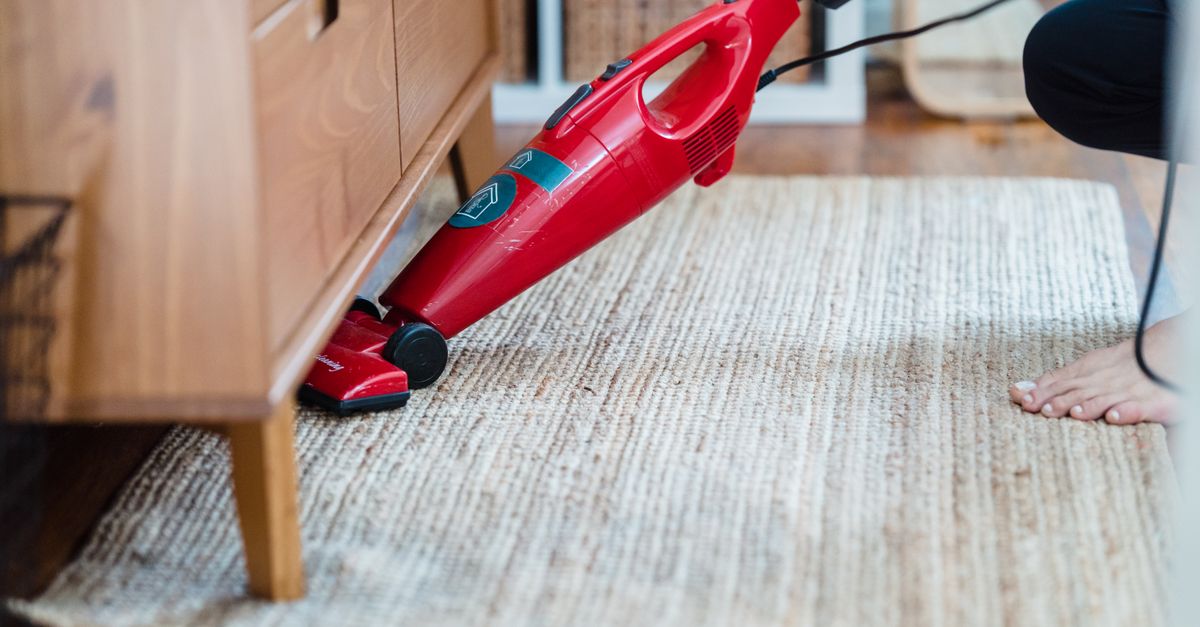
Aggressive motorized beater bars on upright vacuums are designed for synthetic wall-to-wall carpets, not delicate area rugs. Rotating bristles can pull at woven knots and grind sand deeper into the pile. Always switch your vacuum to suction-only mode or raise the roller height so the brush roll does not strike the fibers. Vacuum in slow, overlapping passes following the natural lay of the wool pile. Clean high-traffic rugs once or twice weekly, and vacuum the hard floor beneath your rug pad monthly to clear sifted grit.
Protect Delicate Fringe and Edge Bindings
Hand-tied fringes are extensions of the rug's structural warp threads. Vacuum brushes can catch fringe cords instantly, tearing them loose and unraveling rows of pile knots. Always vacuum from the center outward, stopping several inches before reaching fringe ends, or use a gentle handheld tool without brush rollers.
Three Common Mistakes Homeowners Make When Dealing with Desert Dust
When battling stubborn red dust, well-intentioned cleaning habits can inadvertently damage valuable textiles. Keep these cautions in mind:
- Spraying Water or Liquid Cleaners on Dusty Rugs: Applying water or foam spot treatments to a rug filled with dry silt turns sand into mud. This mud bakes into the foundation yarns, and the iron oxide minerals in Southern Utah red soil can permanently stain light-colored wool or cotton fringe.
- Beating Rugs Violently Over Railings: Forcefully striking a rug over a porch railing can snap dry warp yarns and crack structural selvedges, particularly in our dry desert environment.
- Using Inadequate Rug Padding: Laying an area rug directly on hard tile or hardwood allows fine sand to grind between the floor and backing. A dense felt-and-rubber pad cushions footfall and traps settling sand safely away from the weave.
The "White Towel and Tap" Test: How to Check for Trapped Sand
Because desert dust settles out of sight, a rug can appear clean while holding pounds of abrasive grit. You can test your rug’s condition in less than two minutes:
Fold back a corner of the rug so the backing faces up. Lay a clean white towel on the floor underneath the pile. Gently tap the back of the rug several times with your palm. Lift the rug and check the towel. If you see an outline of fine red dust or tan silt, the foundation is saturated. Household vacuums cannot pull this compacted grit out; it requires specialized dry extraction.
How Professional Facility Dusting Safely Flushes Settled Grit
Professional rug care begins with dry dusting before any water is introduced. Dedicated rug washing facilities use gentle harmonic vibration, controlled airflow, and specialized grid equipment to dislodge compacted sand safely from deep within the backing.
It is not unusual for a single area rug from a St. George home to shed several pounds of fine silt during the dusting stage alone. Once the abrasive particles are completely removed, the rug can be safely washed using pH-balanced, fiber-safe solutions that preserve delicate wool, silk, or antique vegetable dyes.
Preserving Your Rugs Across Southern Utah's Changing Seasons
As summer heat softens into autumn and winter in Washington County, taking time to rotate your rugs, maintain entryway barriers, and vacuum with care protects your home's most beautiful textiles. Whenever everyday cleaning no longer restores your rug's original luster, or when a tap test reveals heavy embedded grit, a professional evaluation provides peace of mind. With consistent care and gentle maintenance habits, you can reliably protect area rugs from desert dust and enjoy their warmth and elegance for generations.