

How to Prevent Area Rug Fading in St. George Homes
Discover how intense Southern Utah sunlight affects your area rugs and learn practical, professional tips to prevent fading and protect your investment.

St. George, Utah, is famous for its stunning red rock vistas, outdoor adventures, and abundant year-round sunshine. While we all cherish the bright, warm days that define our beautiful Southern Utah desert, this intense sunlight can be incredibly harsh on our home interiors. Among the most vulnerable items in any living space are your area rugs. Whether you own a cherished family heirloom, a hand-knotted Persian masterpiece, or a modern wool rug, prolonged exposure to ultraviolet (UV) rays can cause severe fading and fiber degradation over time. Fortunately, there are simple, effective steps you can take to prevent area rug fading in St. George and keep your rugs in pristine condition.
If you are wondering how to keep your beautiful floor coverings looking vibrant year after year, you are not alone. Understanding how sunlight interacts with different fibers and dyes is the first step in protecting your investment. In this guide, we will explore the science behind sun damage, share practical, professional strategies, and outline the best maintenance habits to keep your rugs in pristine condition.
The climate in St. George and throughout Southern Utah presents unique challenges for rug owners. Our high elevation and clear skies mean we experience a very high UV index for a large portion of the year. When sunlight streams through your windows, it carries both ultraviolet radiation and infrared heat. These forces work together to damage area rugs in two distinct ways: photodegradation and thermal drying.
Photodegradation is a chemical process that occurs when UV light strikes the dyes in your rug. The high-energy light waves break down the chemical bonds of the dye molecules, causing them to lose their color-reflecting properties. This results in the dull, washed-out appearance typical of sun-faded rugs. Additionally, the dry desert heat and direct sunlight can strip natural moisture from fibers like wool and silk, making them brittle, dry, and prone to shedding or breaking under foot traffic.
Not all rugs react to sunlight in the same way. The material and the type of dye used during manufacturing play a massive role in how quickly fading occurs. Understanding your rug's material helps you determine the level of protection it requires.
Wool is the gold standard for area rugs. It is naturally resilient, flame-resistant, and excellent at hiding soil. However, wool is a natural protein fiber, and the organic or acid dyes used to color it are susceptible to UV damage. Silk is even more sensitive. Exposure to direct sunlight not only causes rapid fading of silk's brilliant colors but also degrades the protein fibers, causing them to become extremely fragile and prone to tearing.
Cotton rugs are popular for their casual look and ease of maintenance, but cotton fibers hold dyes less tightly than wool, making them prone to relatively fast fading. Plant-based fibers like jute, sisal, and seagrass do not fade in the traditional sense; instead, sunlight and dry conditions cause them to dry out, warp, and turn a dark, brittle brown over time.
Rugs made from synthetic fibers like polypropylene, polyester, and nylon are generally much more resistant to sun fading because the fibers are solution-dyed, meaning the color is added during the chemical formulation of the fiber itself. While they are highly durable, prolonged exposure to intense Southern Utah sun can still cause gradual dullness and weaken the synthetic backing materials, leading to cracking or powdering.
Protecting your area rugs from sun damage does not mean you have to live in a dark, shuttered home. By taking a few proactive measures, you can enjoy the beautiful desert light while keeping your rugs safe.
1. Rotate Your Rugs Regularly: This is one of the simplest yet most overlooked maintenance habits. We recommend rotating your area rugs 180 degrees every three to six months. In rooms with high-traffic and intense sun exposure, a three-month rotation is ideal. While rotation does not stop fading, it ensures that light exposure is distributed evenly across the entire surface, preventing sharp, noticeable fade lines where furniture blocks the light.
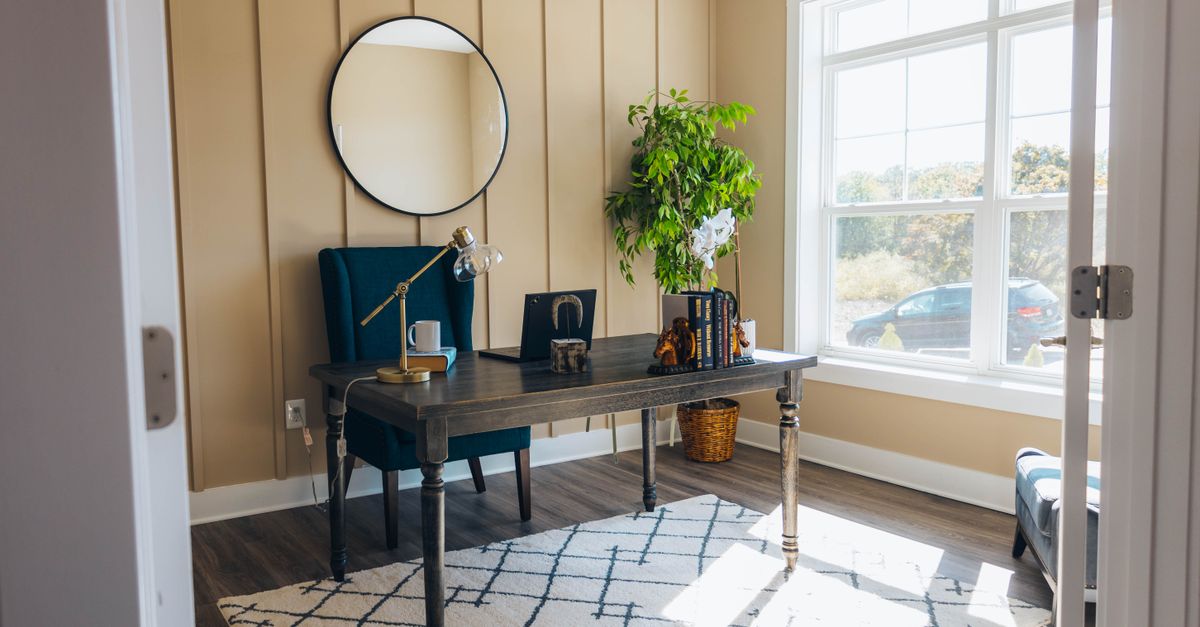
2. Install UV-Blocking Window Films: Modern window films are a game-changer for homeowners in Southern Utah. These thin, virtually invisible sheets can be applied directly to your existing windows. They block up to 99% of harmful UV rays and a significant portion of solar heat without noticeably reducing the amount of visible light entering your home. This protects your rugs, furniture, and hardwood floors from sun damage while keeping your home cooler.
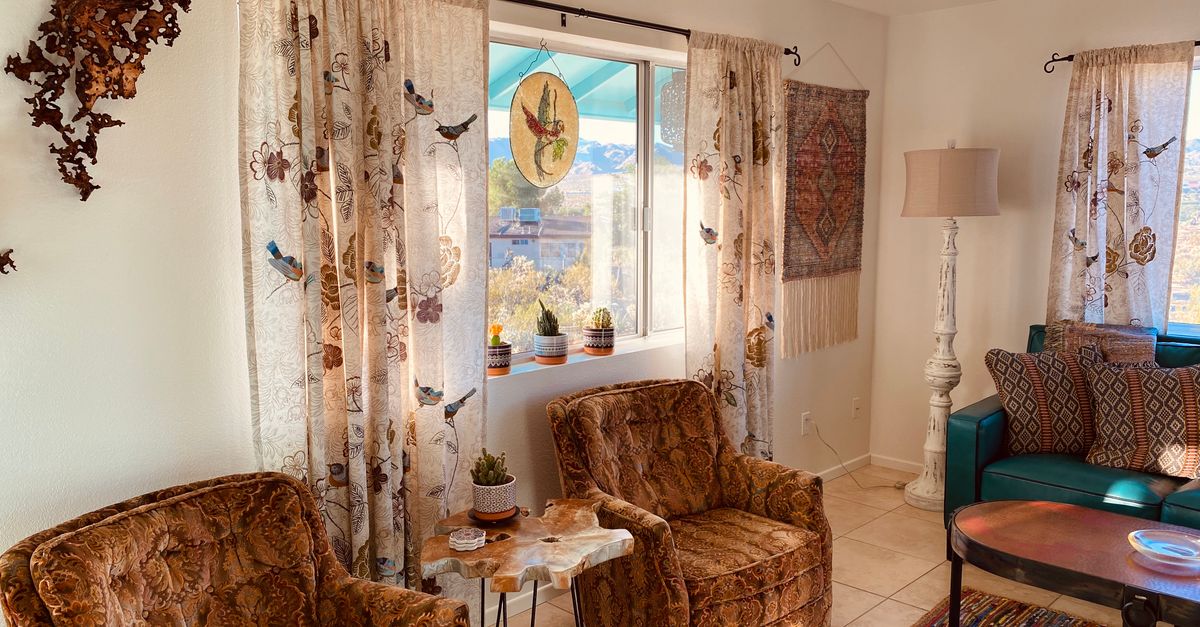
Closing your drapes, blinds, or shutters during the peak hours of intense sunlight—typically between 10:00 AM and 4:00 PM—makes a massive difference. If you prefer to keep your windows uncovered, consider installing sheer curtains. Sheers diffuse the direct, harsh rays of the sun into a soft, ambient glow, significantly reducing the UV impact on your floor coverings.
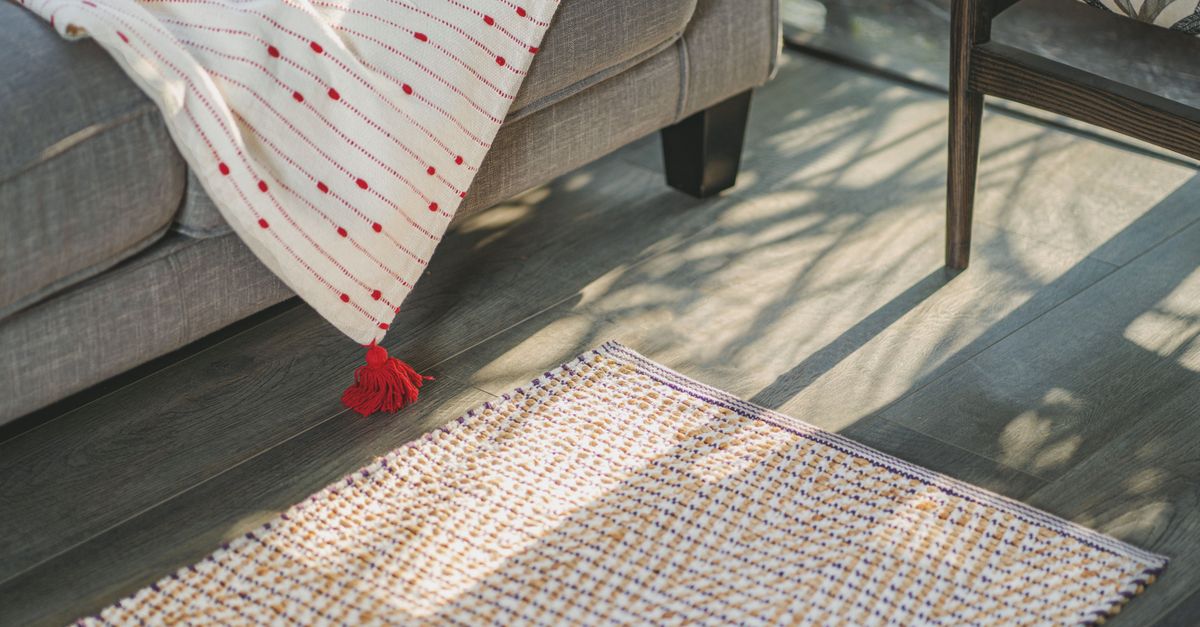
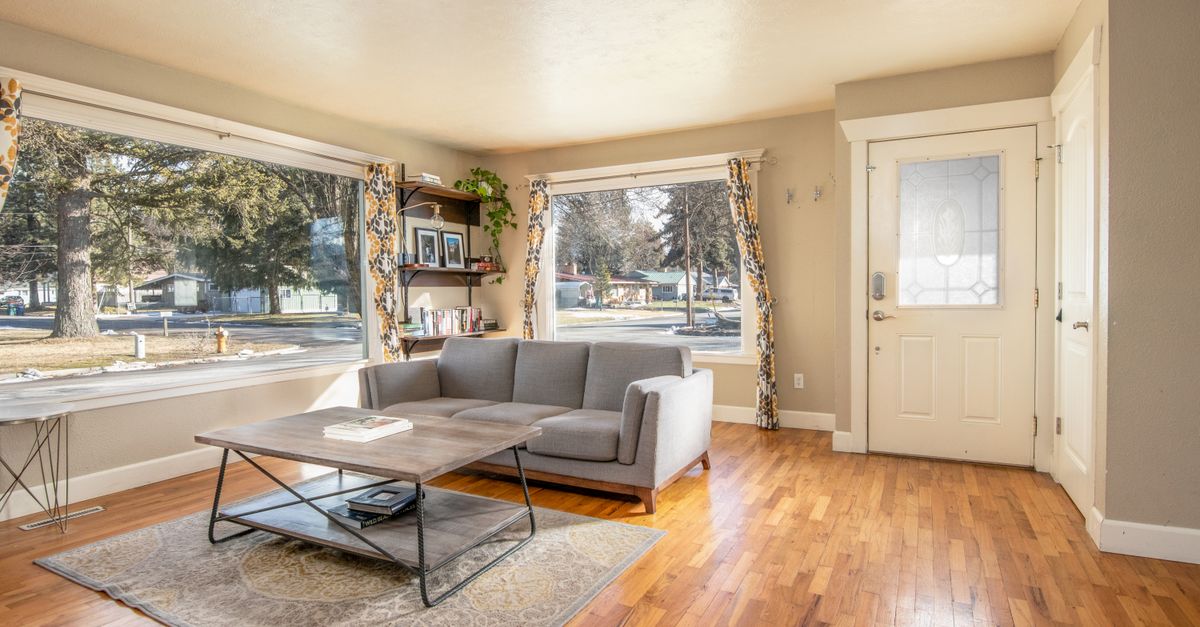
If you have a particularly valuable or antique rug, try to position it away from large, south- or west-facing windows. You can also arrange larger furniture pieces, such as sofas or coffee tables, to cast shadows over the most vulnerable parts of the rug during peak sun hours, or place less sensitive synthetic rugs in the brightest areas of your home.
When trying to protect or clean their rugs, homeowners often make well-intentioned mistakes that can accelerate damage. Here are a few common pitfalls to avoid in our dry, sunny climate:
While daily protection and preventive measures are highly effective DIY strategies, delicate, antique, silk, Persian, Oriental, or wool rugs should always be professionally evaluated before attempting any aggressive home treatments. If your rug has already suffered noticeable sun fading, do not attempt to dye or restore the color yourself using retail products.
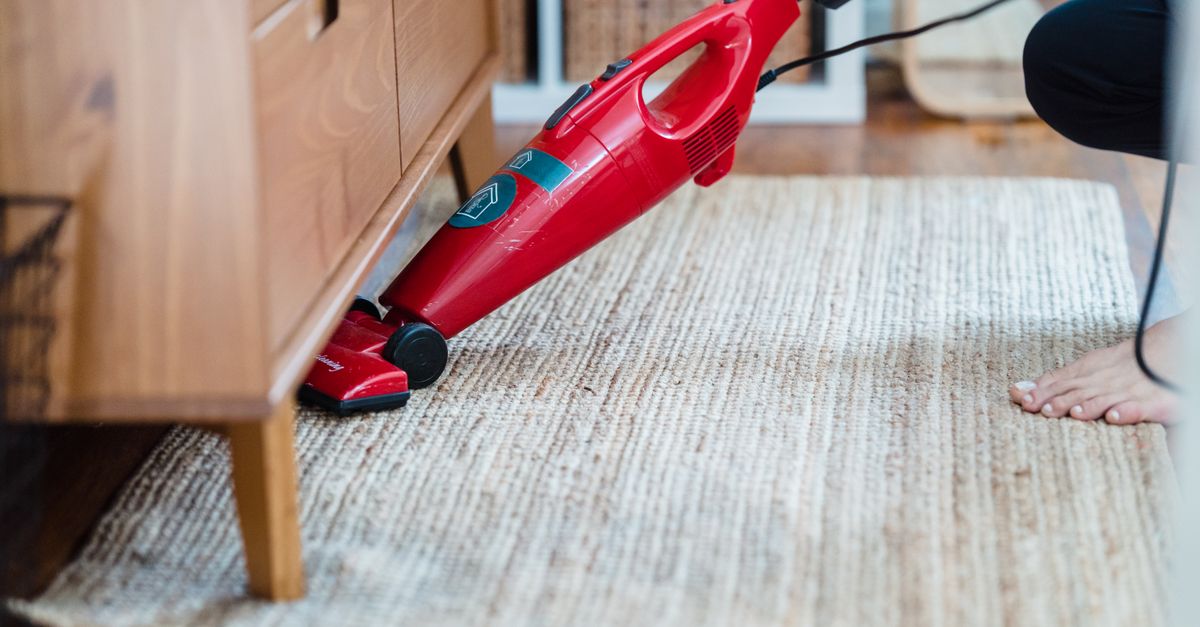
A professional rug care specialist can inspect your rug to determine if the fibers are still structurally sound. Although sun fading cannot be completely reversed, professional cleaning is highly beneficial. Over time, fine Southern Utah dust and sand settle deep into your rug's fibers. This abrasive soil acts like tiny sandpaper grit, grinding away at the already sun-weakened fibers every time you walk on them. Professional cleaning removes this deeply embedded soil, restoring the rug's natural texture, loft, and luster, which often makes faded areas look significantly cleaner and more blended.
At St George Rug Cleaning, we understand the specific environmental challenges that Southern Utah homes present. We do not use a one-size-fits-all carpet cleaning machine on your valuable rugs. Instead, we provide specialized, facility-based care tailored to each rug's material, age, and dye stability.
Our multi-step cleaning process begins with a thorough inspection to identify sun-weakened areas and test dye stability. We then perform deep dust and dry soil removal to extract the fine desert sand that regular vacuums leave behind. Your rug is then washed using gentle, pH-balanced, color-safe solutions, followed by a thorough rinse and controlled drying in a climate-controlled room. This meticulous process keeps your rug's fibers strong, resilient, and better prepared to withstand the dry, sunny conditions of our region.
Your area rugs are more than just floor coverings; they are valuable design elements and investments that bring warmth and character to your home. By taking proactive steps to prevent area rug fading in St. George—such as rotating your rugs, utilizing window films, and scheduling routine professional care—you can preserve their beautiful colors for decades to come. If your area rugs are due for a deep, protective clean, contact the local specialists at St George Rug Cleaning to schedule care designed specifically for Southern Utah homes.